

Health authorities are on high alert following the deaths of three people on a cruise ship in the Atlantic after a suspected outbreak of the rare hantavirus. The incident has mobilized the World Health Organization and authorities in South Africa, with investigations fully underway and a race against time to contain the spread.
How the incident unfolded
The outbreak occurred on the cruise ship MV Hondius, which had set sail from Argentina approximately three weeks ago, conducting a voyage with stops in Antarctica and the Falkland Islands, with the Canary Islands as its final destination. According to South African authorities, the first death involved a 70-year-old passenger who passed away at sea. His body was removed at St. Helena. Shortly after, his 69-year-old wife collapsed at a South African airport and died in a Johannesburg hospital. A third person also lost their life, while at least three other passengers developed symptoms.
Battle for a patient's life – Evacuation operation
A 69-year-old British man is hospitalized in critical condition in an intensive care unit in Johannesburg. Health authorities are simultaneously attempting to evacuate two more passengers with symptoms from the ship. The cruise ship was found docked in Praia, Cape Verde, while approximately 150 tourists and dozens of crew members were onboard during the incident.
What is hantavirus and how dangerous is it?
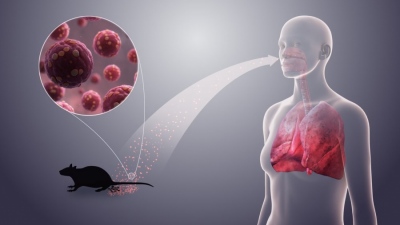
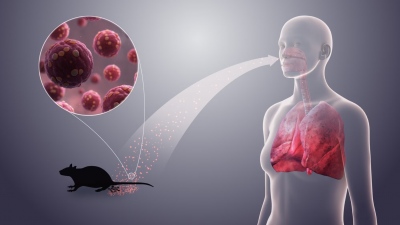
Hantavirus is a rare but potentially fatal infection, transmitted primarily through contact with the urine or droppings of infected rodents, such as mice and rats. In some cases, human-to-human transmission can occur. It can cause severe respiratory disease, known as hantavirus pulmonary syndrome, with symptoms starting with fever and muscle aches and progressing to shortness of breath and severe coughing. The virus also drew particular attention in 2025, following the death of Betsy Arakawa, wife of Gene Hackman, in the US.
International investigation underway
The World Health Organization confirms that at least one case has been laboratory-confirmed, while a full epidemiological investigation, laboratory testing, and genetic analysis of the virus are underway. Meanwhile, the National Institute for Communicable Diseases of South Africa is conducting contact tracing, primarily in the Johannesburg area, to identify potential secondary cases.
No treatment – Early intervention is critical
There is no specific treatment or vaccine for hantavirus. However, experts emphasize that early medical care can significantly increase the chances of survival. The incident highlights once again the risks of health crises in closed environments, such as cruise ships, and puts international authorities on alert amid increasing global tourist mobility.
www.bankingnews.gr











Σχόλια αναγνωστών